

La Bacterial vaginosis is one of the most common intimate health concerns among women. Often misunderstood, it is linked to an imbalance in the vaginal flora and can cause uncomfortable symptoms such as unusual intimate odours or abnormal vaginal discharge.
Although it is not always serious, vaginosis can become recurrent if not properly managed. Understanding its symptoms, causes, and appropriate solutions is essential to restoring lasting intimate balance.
What is bacterial vaginosis?
Bacterial vaginosis is an imbalance of the vaginal microbiota.
Normally, the vaginal flora is dominated by protective bacteria called lactobacilli. They maintain an acidic pH that prevents the proliferation of unwanted bacteria.
When this balance is disrupted:
- lactobacilli decrease
- other bacteria multiply
- vaginal pH rises
This imbalance then leads to the characteristic symptoms of vaginosis.
Symptoms of bacterial vaginosis
Symptoms can vary, but certain signs are particularly common.
Unusual intimate odours
The most common symptom is a strong vaginal odour, often described as a fishy smell.
This odour may be more noticeable:
- after sexual intercourse
- during menstruation
👉 To explore this topic further:
Intimate odours: why do they occur?
Abnormal vaginal discharge
Vaginal discharge associated with vaginosis is generally:
- greyish or whitish
- thin and watery
- more abundant than usual
👉 To find out more:
Vaginal discharge: when should you be concerned?
Intimate discomfort
Some women may experience:
- a feeling of discomfort
- a sensation of dampness
- day-to-day discomfort
Unlike a yeast infection, itching is often less pronounced.
Vaginosis or yeast infection: what is the difference?
It is important to distinguish bacterial vaginosis from a vaginal yeast infection, as the causes and treatments differ.
Bacterial vaginosis:
- strong odour
- thin discharge
- little to no itching
Vaginal yeast infection:
- significant itching
- thick discharge
- irritation
👉 To better understand:
Recurring vaginal yeast infections: understanding the causes and preventing recurrence
Causes of bacterial vaginosis
Vaginosis is linked to an imbalance of the vaginal microbiota. Several factors can explain this.
Imbalance of the vaginal flora
The main cause is a reduction in protective lactobacilli.
👉 Also worth reading:
Imbalanced vaginal flora: symptoms, causes and solutions
Antibiotics
Antibiotics can disrupt the vaginal flora by eliminating beneficial bacteria.
Hormonal fluctuations
Hormones directly influence vaginal balance.
At-risk periods:
- menstrual cycle
- pregnancy
- menopause
👉 Discover:
Intimate dryness during menopause: causes and natural solutions
Inappropriate intimate hygiene
Overly aggressive hygiene practices can disrupt vaginal pH.
To avoid:
- fragranced products
- antiseptics
- vaginal douching
Sexual intercourse
Intercourse can temporarily alter vaginal pH, especially when the flora is already fragile.
How to treat and prevent bacterial vaginosis?
Management relies on two approaches: treating the current episode and preventing recurrence.
Adopting appropriate intimate hygiene
- use a gentle care product with a physiological pH
- avoid harsh products
- limit excessive washing
Promoting a healthy environment
- wear cotton underwear
- avoid tight-fitting clothing
- change after exercising
Rebalancing the vaginal flora
The key factor in prevention is to restore the balance of the vaginal microbiota.
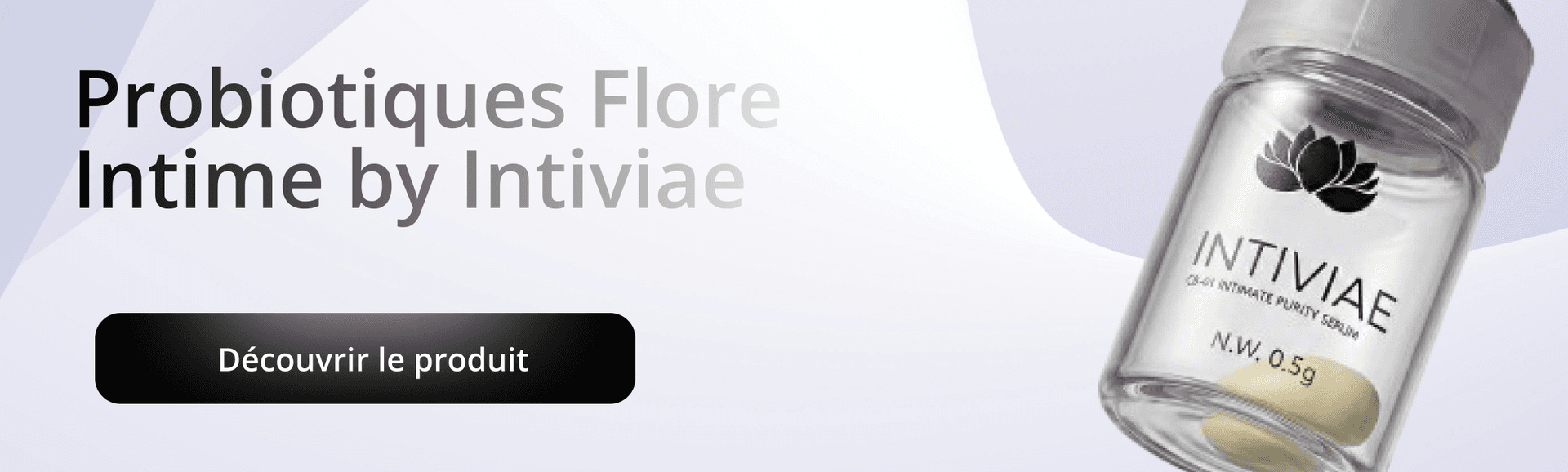
Certain solutions based on specific probiotics for intimate flora can help support this balance and reduce recurrences.
For example, the intimate flora probiotics – yeast infections, vaginosis, irritations & odours available here:
👉 https://www.intiviae.com/fr/market/product/cb-01
are formulated to help maintain a balanced vaginal flora, particularly in cases of fragility or recurrent episodes.
Taking a preventive approach
Rather than only treating symptoms, it is essential to address the underlying terrain:
- support beneficial bacteria
- maintain an acidic pH
- avoid disruptive factors
Recurring bacterial vaginosis: what should you do?
Some women suffer from recurrent vaginosis.
In this case, it is important to:
- identify triggering factors
- adopt a holistic approach
- regularly support the vaginal flora
A preventive approach is often more effective in the long term.
When should you consult a healthcare professional?
It is advisable to seek medical advice if:
- symptoms persist
- recurrences are frequent
- discharge changes in appearance
- the odour becomes persistent
A healthcare professional can confirm the diagnosis and recommend an appropriate treatment.
La Bacterial vaginosis is a common imbalance of the vaginal flora, often linked to a reduction in protective lactobacilli.
It mainly manifests as:
- unusual intimate odours
- abnormal vaginal discharge
- intimate discomfort
Adopting appropriate hygiene, understanding the causes, and supporting the vaginal microbiota effectively prevents recurrences and restores lasting intimate comfort.