Recurring Vaginal Yeast Infections: Understanding the Causes and Preventing Recurrences


Vaginal yeast infections are common and affect the vast majority of women at some point in their lives. But when episodes become recurrent — several times a year — it is no longer a simple, occasional inconvenience.
This is referred to as recurrent vaginal yeast infections, a phenomenon often linked to a lasting imbalance in the intimate flora.
Why do they keep coming back? And most importantly, how can these recurrences be prevented?
Why do some women get recurrent yeast infections?
A vaginal yeast infection is generally caused by the excessive proliferation of a fungus called Candida albicans. This micro-organism is naturally present in the vaginal microbiota, but it becomes problematic when it grows excessively.
Several factors can contribute to these recurrences:
1. An imbalance in the vaginal microbiota
The vaginal flora is composed mainly of lactobacilli, protective bacteria that maintain an acidic pH preventing the proliferation of pathogens.
When these beneficial bacteria decrease, the environment becomes favourable to the development of yeast infections.
2. Antibiotics
Antibiotics destroy the bacteria responsible for infections… but also the beneficial bacteria.
After antibiotic treatment, a vaginal yeast infection is commonly observed, as the protective flora has been weakened.
3. Hormonal fluctuations
Pregnancy, the menstrual cycle, hormonal contraception, or menopause can alter the vaginal environment and promote the proliferation of Candida.
4. Chronic stress
Stress weakens the immune system and can indirectly disrupt the balance of the vaginal microbiota.
5. Inappropriate hygiene
Overly frequent washing, perfumed or antiseptic products can alter the vaginal pH and weaken the flora.
The key role of vaginal flora
Preventing recurrent yeast infections requires understanding one central element: the vaginal microbiota.
A balanced microbiota:
- Maintains a protective acidic pH
- Prevents the proliferation of fungi
- Protects against unwanted bacteria
When this balance is disrupted, episodes of yeast infections can become chronic.
Yeast infection after antibiotics: a common occurrence
Many women notice the appearance of a yeast infection after antibiotic treatment.
Why?
Because the protective lactobacilli are reduced, leaving the field open to yeasts such as Candida.
In this context, supporting the intimate flora can help limit recurrences.
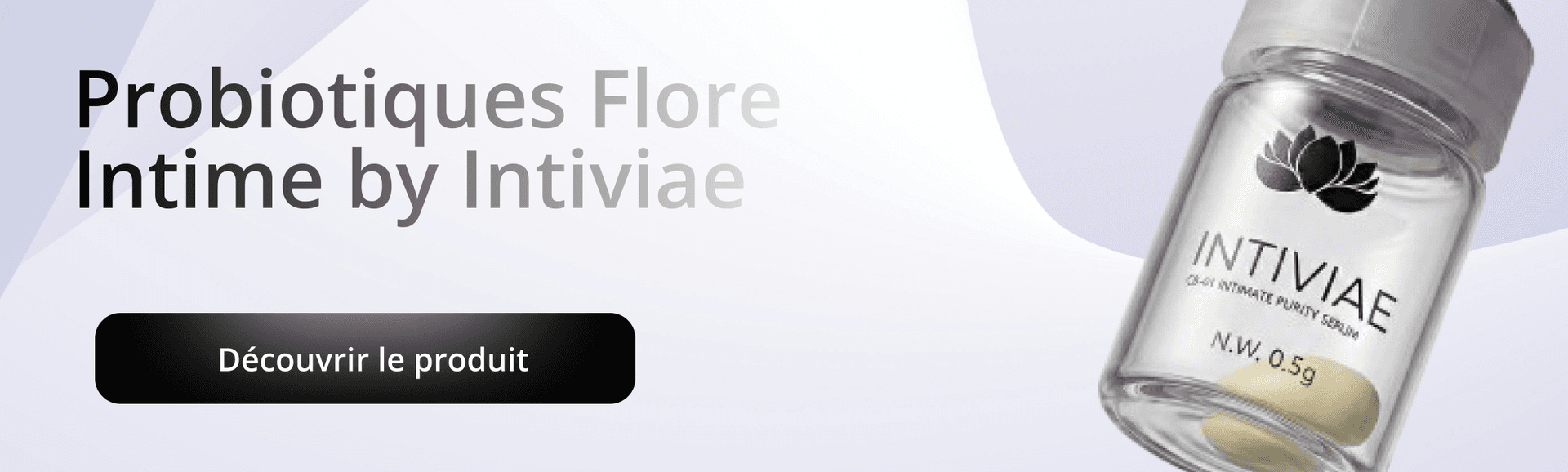
Certain targeted solutions, such as probiotics for intimate flora – yeast infections, vaginosis, irritations & odours, are specifically formulated to help maintain vaginal balance, particularly during periods of vulnerability.
How to prevent recurrent vaginal yeast infections?
Prevention is based on several complementary pillars.
1. Adopt gentle hygiene practices
- Use a cleanser suited to intimate pH
- Avoid vaginal douching
- Limit the use of perfumed products
2. Choose breathable underwear
Cotton helps limit moisture, which is a favourable environment for yeast infections.
3. Support microbiota balance
Taking specific probiotics can help maintain a vaginal environment that is favourable to beneficial bacteria.
A regular, preventive approach can be particularly beneficial for women prone to recurrences.
4. Reduce stress
Physical activity, quality sleep, and emotional management indirectly contribute to immune and microbial balance.
When to seek medical advice?
If yeast infections occur more than 4 times a year, it is recommended to consult a healthcare professional to rule out:
- Undiagnosed diabetes
- A persistent infection
- A hormonal cause
- Resistance to antifungal treatment
An accurate diagnosis allows for an appropriate course of treatment.
In summary
Recurrent vaginal yeast infections are not inevitable. They are often a sign of a vaginal microbiota imbalance.
Acting on hygiene, lifestyle, and above all on maintaining a balanced intimate flora is a key strategy for limiting recurrences and regaining lasting comfort.
Prevention remains the most effective lever.