The vaginal pH plays an essential role in women's intimate health. When balanced, it naturally protects the intimate area against infections, irritations, and imbalances.
However, many women suffer from an unbalanced vaginal pH, often without knowing the cause. This imbalance can lead to various symptoms such as intimate odours, unusual vaginal discharge, or daily discomfort.
Understanding how vaginal pH works and knowing how to rebalance it naturally is essential for preserving intimate balance.
What is vaginal pH?
pH is a measure that indicates the acidity level of an environment.
The vaginal pH is naturally acidic, which acts as a protective barrier against unwanted bacteria.
This acidity is maintained by the vaginal flora, composed mainly of beneficial bacteria called lactobacilli.
These bacteria:
- produce lactic acid
- maintain an acidic pH
- prevent the proliferation of harmful germs
Vaginal pH is therefore directly linked to the balance of the vaginal microbiota.
What is a normal vaginal pH?
A normal vaginal pH generally falls between:
👉 3.8 and 4.5
In this range:
- beneficial bacteria dominate
- infections are limited
- intimate comfort is optimal
A higher pH (less acidic) may promote:
- bacterial vaginosis
- intimate odours
- certain infections
Why does vaginal pH become unbalanced?
The vaginal pH imbalance can be caused by several factors.
Antibiotics
Antibiotics can disrupt the vaginal flora by eliminating beneficial bacteria.
Inadequate intimate hygiene
Harsh or scented products can alter vaginal pH.
To avoid:
- scented gels
- antiseptics
- vaginal douches
Sexual intercourse
Semen has an alkaline pH, which can temporarily alter vaginal balance.
Hormonal variations
Hormones directly influence vaginal pH:
- menstrual cycle
- pregnancy
- menopause
Stress and lifestyle
Stress can weaken the vaginal microbiota balance and promote imbalances.
Signs of an unbalanced vaginal pH
An unbalanced vaginal pH can manifest through various symptoms.
Unusual intimate odours
A stronger or different odour can indicate an imbalance.
Abnormal vaginal discharge
Discharge may become:
- more abundant
- different in colour or texture
Irritations and discomfort
pH imbalance can lead to:
- intimate irritations
- itching
- burning sensations
To learn more, check out this article on the causes of intimate irritations and how to soothe them naturally.
Vaginal infections
An unbalanced pH can promote:
- vaginal yeast infections
- bacterial vaginosis
How to rebalance vaginal pH naturally?
It is possible to restore a balanced vaginal pH by adopting good habits.
1. Adopt appropriate intimate hygiene
- use a gentle care product with a physiological pH
- avoid harsh products
- do not wash excessively
2. Wear appropriate underwear
- favour cotton
- avoid tight clothing
- limit moisture
3. Support the vaginal flora
Vaginal pH directly depends on the vaginal microbiota.
Restoring the flora allows the pH to be naturally re-established.
Certain solutions can act directly at the intimate level to support this balance.
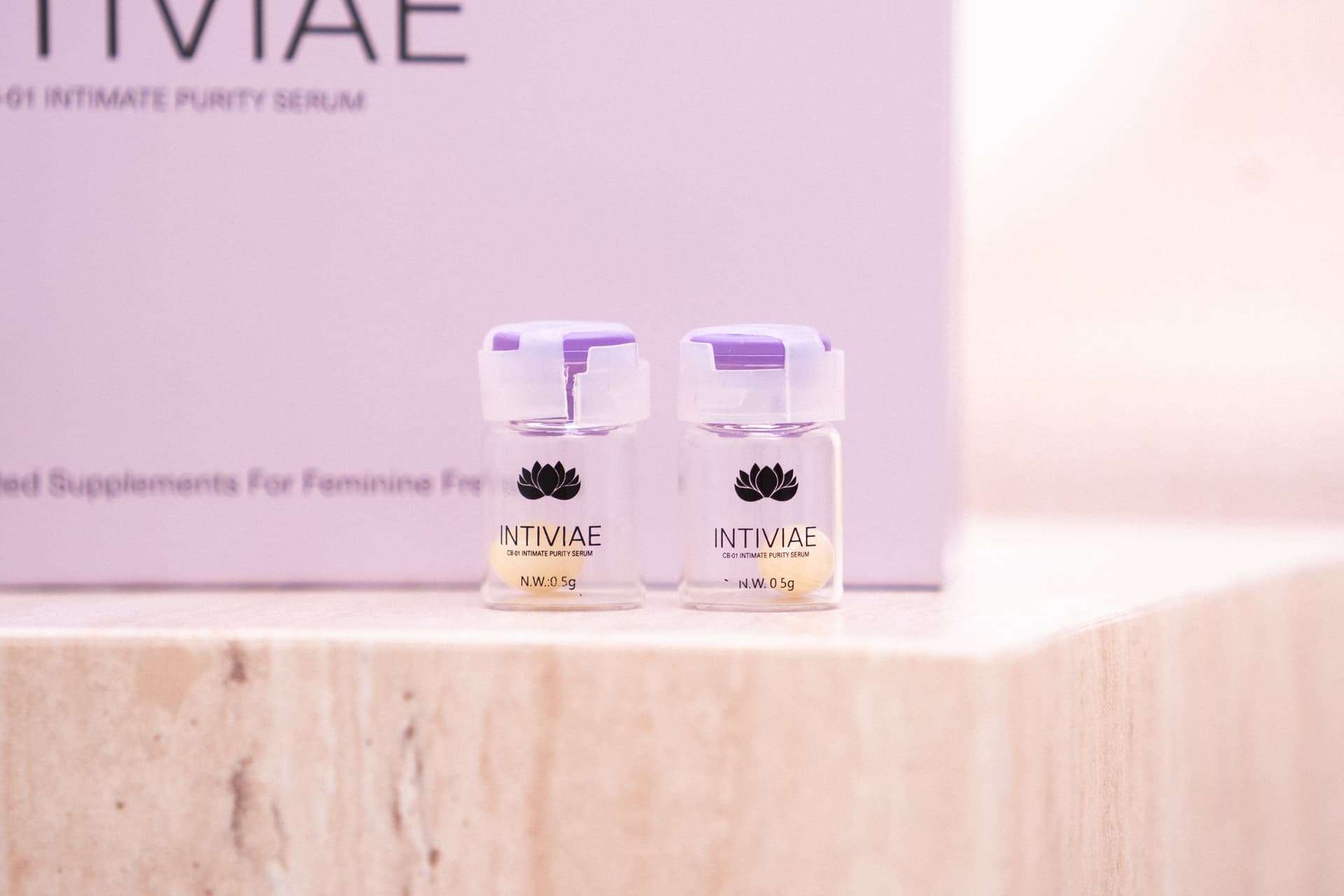
For example, this probiotic-based vaginal care product for intimate flora is designed to help:
- rebalance the vaginal microbiota
- maintain an optimal vaginal pH
- reduce discomforts
This type of solution acts directly at the source of the imbalance.
4. Adopt a balanced diet
Diet can indirectly influence the microbiota:
- fermented foods
- fibre
- good hydration
5. Reduce disruptive factors
Limit:
- stress
- irritating products
- harsh treatments
Mistakes to avoid
Certain habits can worsen vaginal pH imbalance.
Vaginal douches
They disrupt the natural balance of the vagina.
The use of scented products
They alter the pH and irritate the mucous membrane.
Excessive self-medication
Treating without understanding the cause can worsen the problem.
How long does it take to rebalance vaginal pH?
The time depends on the level of imbalance:
- mild: a few days
- moderate: a few weeks
- chronic: several weeks
A consistent approach is often necessary.
When to consult a doctor?
It is advisable to consult if:
- symptoms persist
- infections are frequent
- pain is significant
A professional will be able to make a precise diagnosis.
In summary
The vaginal pH is a key element of intimate health. When balanced, it naturally protects against infections and discomforts.
An imbalance can lead to:
- irritations
- intimate odours
- infections
Adopting appropriate hygiene, understanding the causes, and supporting the vaginal microbiota helps restore a lasting balance.
Maintaining a balanced vaginal pH is essential for preserving daily intimate comfort.