
Menopause marks an important milestone in a woman's life. While it corresponds to the natural cessation of menstrual cycles, it also comes with numerous hormonal changes that can impact intimate comfort.
Among the most common symptoms: intimate dryness during menopause.
Daily discomfort, discomfort during intercourse, burning sensations or irritations… These symptoms are not inevitable. Understanding their causes makes it possible to adopt appropriate and natural solutions to restore a better balance.
Why does intimate dryness occur during menopause?
The main cause of vaginal dryness after 45-50 years of age is the gradual decline in oestrogen.
The role of oestrogen in vaginal balance
Before menopause, oestrogen:
- Maintains the thickness and elasticity of the vaginal mucosa
- Stimulates glycogen production
- Promotes the presence of protective lactobacilli
- Contributes to maintaining an acidic pH
When oestrogen levels decline, the vaginal ecosystem changes:
- The mucosa becomes thinner
- Natural lubrication decreases
- The pH becomes less acidic
- Beneficial protective bacteria become scarcer
As a result: the vaginal flora becomes more fragile and sensations of dryness appear.
Intimate dryness and vaginal microbiome: a direct link
There is increasing talk of the vaginal microbiome, this collection of micro-organisms that naturally protect the intimate sphere.
After menopause:
- Lactobacilli decrease
- The pH rises
- The risk of imbalances increases
This change in the microbiome can promote:
- Irritations
- Yeast infections
- Vaginosis
- Unusual odours
- Burning sensations
La Intimate dryness is therefore not solely linked to hormonal deficiency: it is also associated with a change in vaginal bacterial balance.
Symptoms of intimate dryness during menopause
Symptoms can vary from woman to woman, but the most common are:
- Sensation of tightness
- Daily discomfort
- Pain during intercourse
- Mild itching
- Increased sensitivity
- More frequent vaginal infections
Some women also notice an increase in yeast infections after 50, due to the weakening of the microbiome.
Aggravating factors
Certain factors can worsen intimate dryness:
- Chronic stress
- Smoking
- Overly aggressive hygiene
- Vaginal douching
- Synthetic underwear
- Antibiotics
A holistic approach is therefore necessary to minimise discomfort.
Natural solutions to relieve intimate dryness during menopause
There are several complementary approaches to improving intimate comfort.
1. Adopting appropriate hygiene habits
As the mucosa is more fragile, it is essential to:
- Use a gentle cleansing product, soap-free
- Avoid fragranced products
- Limit excessive washing
Respectful hygiene helps preserve vaginal pH balance.
2. Opt for breathable underwear
Cotton helps limit moisture and irritations.
Avoiding tight-fitting clothing also contributes to intimate comfort.
3. Hydration and diet
Drinking enough water and adopting a balanced diet rich in fibre indirectly contributes to the overall balance of the microbiome.
4. Supporting the vaginal microbiome
One of the most promising approaches is to support the balance of intimate flora through probiotics specifically formulated for vaginal health.
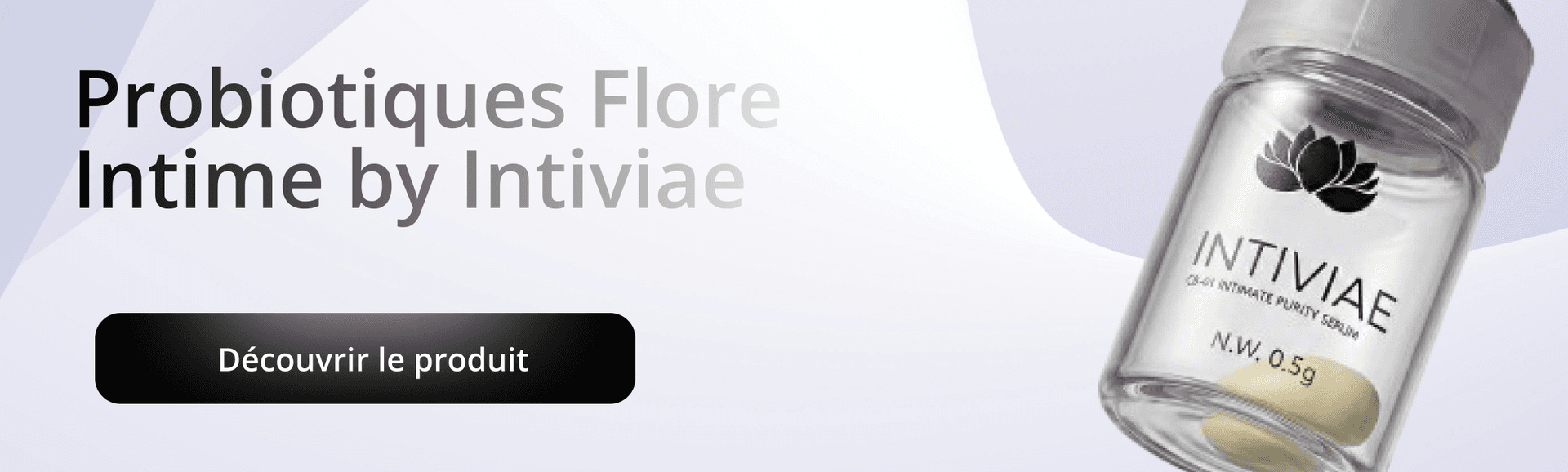
Certain targeted formulas, such as intimate flora probiotics – Yeast Infections, Vaginosis, Irritations & Odours available here:
https://www.intiviae.com/fr/market/product/cb-01
are designed to help maintain a balanced vaginal microbiome, particularly during periods of hormonal vulnerability such as menopause.
By promoting the presence of beneficial bacteria, this approach can help limit the imbalances responsible for irritations and discomfort.
5. Physical activity and stress management
Stress affects immunity and can indirectly influence intimate health.
Walking, yoga, or deep breathing contribute to a better overall balance.
Intimate dryness and infections: why prevention is essential
After menopause, microbiome fragility increases the risk of:
- Vaginal yeast infections
- Bacterial vaginosis
- Urinary tract infections
Appropriate prevention helps reduce the frequency of these discomforts.
Regularly supporting vaginal flora can be a sustainable strategy for improving long-term intimate comfort.
When to consult a healthcare professional?
It is recommended to seek advice if:
- Dryness becomes painful
- Intercourse is consistently uncomfortable
- Infections recur
- Bleeding occurs
Medical advice makes it possible to rule out any underlying condition and to tailor the appropriate care.
In summary
Intimate dryness during menopause is a common phenomenon linked to the decline in oestrogen and changes in the vaginal microbiome.
While it can be uncomfortable, natural solutions exist:
- Gentle hygiene
- Adapted lifestyle
- Vaginal microbiome support
- Preventive approach
Taking care of intimate flora after 50 is an essential lever for preserving comfort, balance, and quality of life.